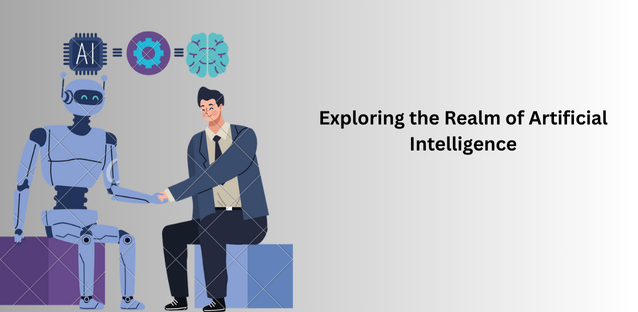
Artificial Intelligence (AI) has rapidly emerged as one of the most transformative technologies of the 21st century. From voice assistants like Siri and Alexa to self-driving cars, predictive healthcare, and financial fraud detection, AI is reshaping industries and societies at a pace never seen before. Understanding its applications and implications is crucial for businesses, governments, and individuals who want to thrive in this era of innovation.
1. What is Artificial Intelligence?
Artificial Intelligence refers to the simulation of human intelligence in machines. These systems are designed to learn, adapt, and make decisions, often mimicking human cognitive processes such as reasoning, problem-solving, and decision-making.
AI can be broadly categorized into:
-
Narrow AI (Weak AI): Specialized in one task (e.g., chatbots, spam filters).
-
General AI (Strong AI): Hypothetical machines that can perform any intellectual task like humans.
-
Superintelligent AI: A futuristic concept where machines surpass human intelligence.
2. Key Applications of Artificial Intelligence
(a) Healthcare
-
AI assists in diagnosis through medical imaging (e.g., detecting cancer in scans).
-
Personalized treatment recommendations using predictive analytics.
-
Robotic surgeries with high precision.
-
Drug discovery powered by AI algorithms.
(b) Business & Finance
-
Chatbots provide 24/7 customer support.
-
AI-driven fraud detection systems prevent cybercrimes.
-
Automated trading platforms make real-time investment decisions.
-
Credit scoring for faster and more accurate loan approvals.
(c) Education
-
Personalized learning paths with AI tutors.
-
Automated grading systems.
-
Virtual classrooms and intelligent learning platforms.
(d) Transportation
-
Self-driving cars and smart traffic management systems.
-
AI-powered logistics and supply chain optimization.
-
Drones for delivery services.
(e) Entertainment & Media
-
Streaming services (Netflix, YouTube, Spotify) use AI for personalized recommendations.
-
AI-generated content, including music, art, and storytelling.
-
Gaming experiences enhanced by intelligent NPCs (non-playable characters).
(f) Cybersecurity
-
Threat detection and prevention using machine learning.
-
AI-enabled risk assessment and predictive alerts.
(g) Environment & Sustainability
-
Smart energy grids optimize power consumption.
-
AI predicts climate change patterns and natural disasters.
-
Precision agriculture reduces waste and improves crop yield.
3. Implications of Artificial Intelligence
(a) Economic Implications
-
AI boosts productivity but may lead to job displacement in routine tasks.
-
New opportunities in AI development, data science, and automation engineering.
-
Businesses gain competitive advantages by leveraging AI tools.
(b) Ethical Implications
-
Bias in AI algorithms can lead to unfair treatment in hiring, loans, and law enforcement.
-
Privacy concerns due to AI’s ability to collect and analyze massive datasets.
-
Moral dilemmas around autonomous weapons and decision-making systems.
(c) Social Implications
-
AI can bridge gaps in healthcare, education, and governance.
-
Risk of widening the digital divide between AI-powered economies and those lagging behind.
-
Human-AI collaboration reshaping workplace dynamics.
(d) Legal & Governance Implications
-
Need for regulations on AI accountability and transparency.
-
Questions around liability: Who is responsible if an AI system fails?
-
Global competition for AI dominance leading to geopolitical shifts.
4. The Future of AI
Looking ahead, AI will likely integrate more deeply into everyday life. Some future possibilities include:
-
AI in space exploration to navigate unknown territories.
-
AI-driven personalized medicine tailored to individual DNA.
-
General AI development that rivals human intelligence.
-
Expansion of AI ethics boards and global regulations.
5. Striking a Balance
While AI offers enormous benefits, it also requires careful management to avoid misuse. Governments, businesses, and individuals must work together to:
-
Promote ethical AI development.
-
Ensure transparency and accountability in algorithms.
-
Provide reskilling opportunities for workers.
-
Build an inclusive digital future where AI benefits everyone.
Conclusion
Artificial Intelligence is more than just a technological innovation; it is a revolution shaping humanity’s future. From healthcare and finance to education and environmental protection, AI’s applications are vast and powerful. However, its implications demand thoughtful consideration of ethics, governance, and societal impact. By embracing AI responsibly, we can unlock its full potential while safeguarding human values.