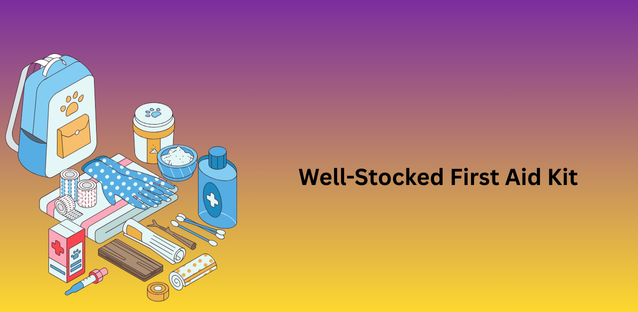
Accidents and emergencies can happen when we least expect them—whether it’s a minor cut in the kitchen, a child’s scraped knee, or a sudden allergic reaction. In such moments, having a well-stocked first aid kit at home can make the difference between quick relief and unnecessary complications. A first aid kit is not just a box of medical supplies—it’s a family’s first line of defense against injuries and health emergencies.
This article explores why every household should keep a complete first aid kit, what to include, and how to maintain it for maximum safety.
1. The Importance of a First Aid Kit
A first aid kit serves multiple purposes in a household:
-
Immediate Response: Provides quick access to essential supplies to treat minor injuries before they escalate.
-
Prevention of Complications: Proper cleaning and dressing of wounds reduce the risk of infection.
-
Peace of Mind: Knowing you have the necessary tools at hand reduces panic during emergencies.
-
Preparedness: Equips families to handle unexpected accidents at home, outdoors, or during travel.
2. Common Home Accidents and Injuries
Many household accidents require immediate attention:
-
Cuts and scrapes from kitchen knives, broken glass, or outdoor activities.
-
Burns from cooking or handling hot appliances.
-
Falls and sprains, especially among children and the elderly.
-
Allergic reactions caused by food, insect bites, or medications.
-
Eye injuries from dust, chemicals, or small objects.
A ready-to-use first aid kit helps treat these conditions quickly and effectively.
3. Essentials of a Well-Stocked First Aid Kit
A comprehensive first aid kit should cover a range of medical needs. Recommended items include:
Basic Supplies
-
Adhesive bandages in various sizes
-
Sterile gauze pads and adhesive tape
-
Antiseptic wipes and solution (like hydrogen peroxide or iodine)
-
Scissors and tweezers
-
Cotton balls and swabs
-
Disposable gloves
Medications
-
Pain relievers (paracetamol, ibuprofen)
-
Antihistamines (for allergies)
-
Antacids
-
Hydrocortisone cream (for rashes or insect bites)
-
Oral rehydration salts
Special Items
-
Thermometer
-
Instant cold pack
-
Elastic bandages (for sprains)
-
Burn cream or gel
-
Eye wash solution
-
CPR face shield or mask
Personal Needs
-
Prescription medications (if any family member needs them)
-
Emergency contact numbers
-
A small first aid manual
4. Benefits of Having a First Aid Kit at Home
-
Quick Relief: Helps manage pain and discomfort immediately.
-
Infection Control: Cleaning and dressing wounds right away lowers infection risks.
-
Life-Saving Potential: In emergencies like severe allergic reactions, having an epinephrine injector can save lives.
-
Supports Family Safety: Ensures children, elderly, and pets are protected.
-
Cost-Effective: Reduces unnecessary emergency room visits for minor injuries.
5. Where to Keep Your First Aid Kit
Placement is crucial. Consider keeping:
-
One main kit in the kitchen (the heart of the home).
-
A secondary kit in the bathroom or bedroom.
-
A travel-size kit in your car or backpack.
The kit should always be easily accessible, clearly labeled, and stored in a cool, dry place.
6. Maintaining Your First Aid Kit
A neglected kit is almost as bad as no kit at all. To keep it effective:
-
Check expiration dates on medications regularly.
-
Replace used or missing items immediately after use.
-
Restock seasonal needs (e.g., insect bite relief creams in summer, cold medications in winter).
-
Train family members on how to use the supplies.
7. First Aid Training: An Added Advantage
While a kit is essential, knowing how to use it effectively makes it even more powerful. Consider taking a basic first aid course with your family. These courses cover:
-
CPR techniques
-
How to stop bleeding
-
Handling burns and fractures
-
Responding to choking incidents
This knowledge can help you act confidently during emergencies.
Conclusion
A well-stocked first aid kit is more than a household accessory—it is a life-saving necessity. By preparing in advance, families can respond effectively to accidents, minimize risks, and even save lives.
Think of your first aid kit as an investment in your family’s safety. Take the time to assemble one, keep it updated, and ensure everyone in your home knows where it is and how to use it. After all, in emergencies, every second counts.